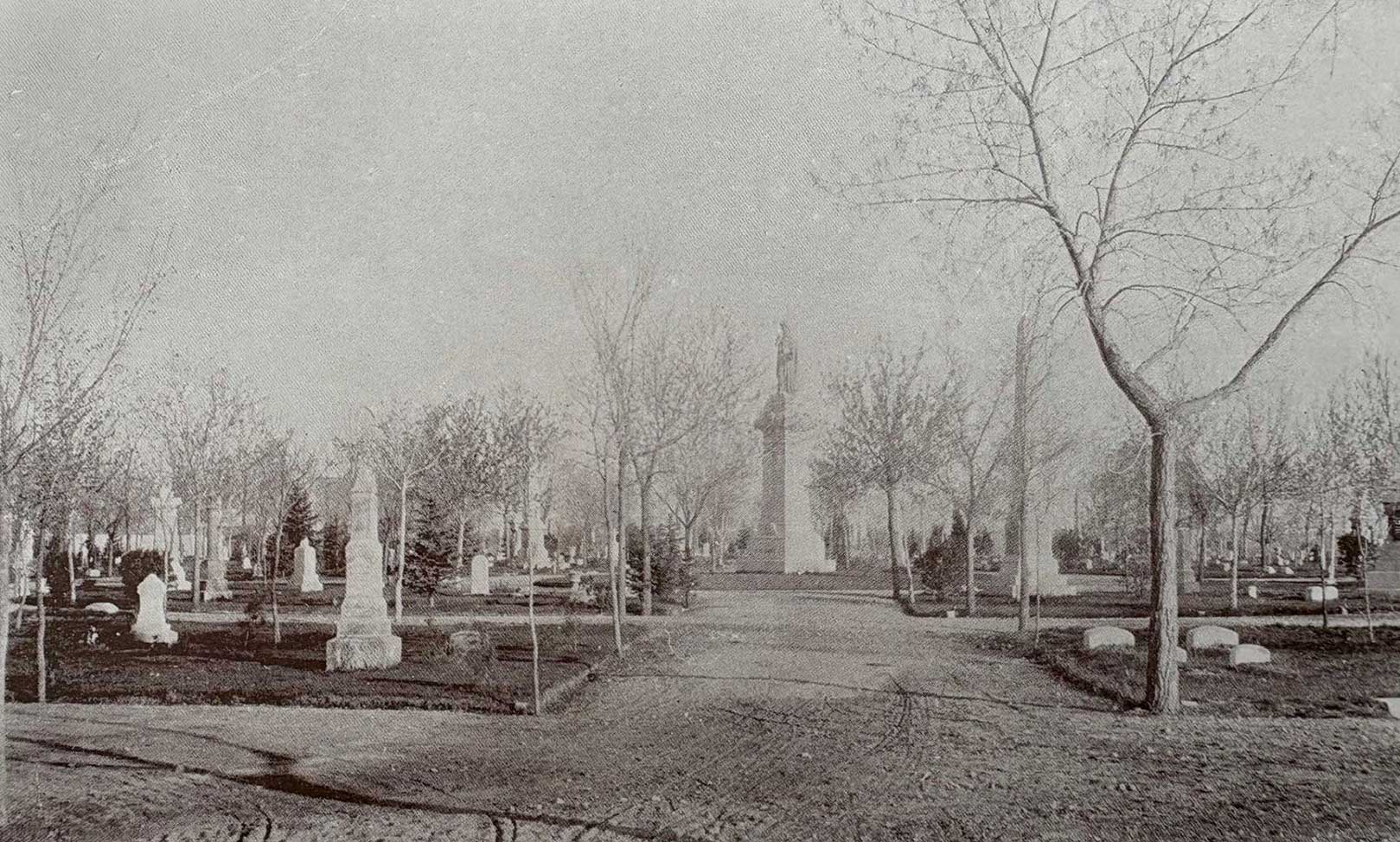


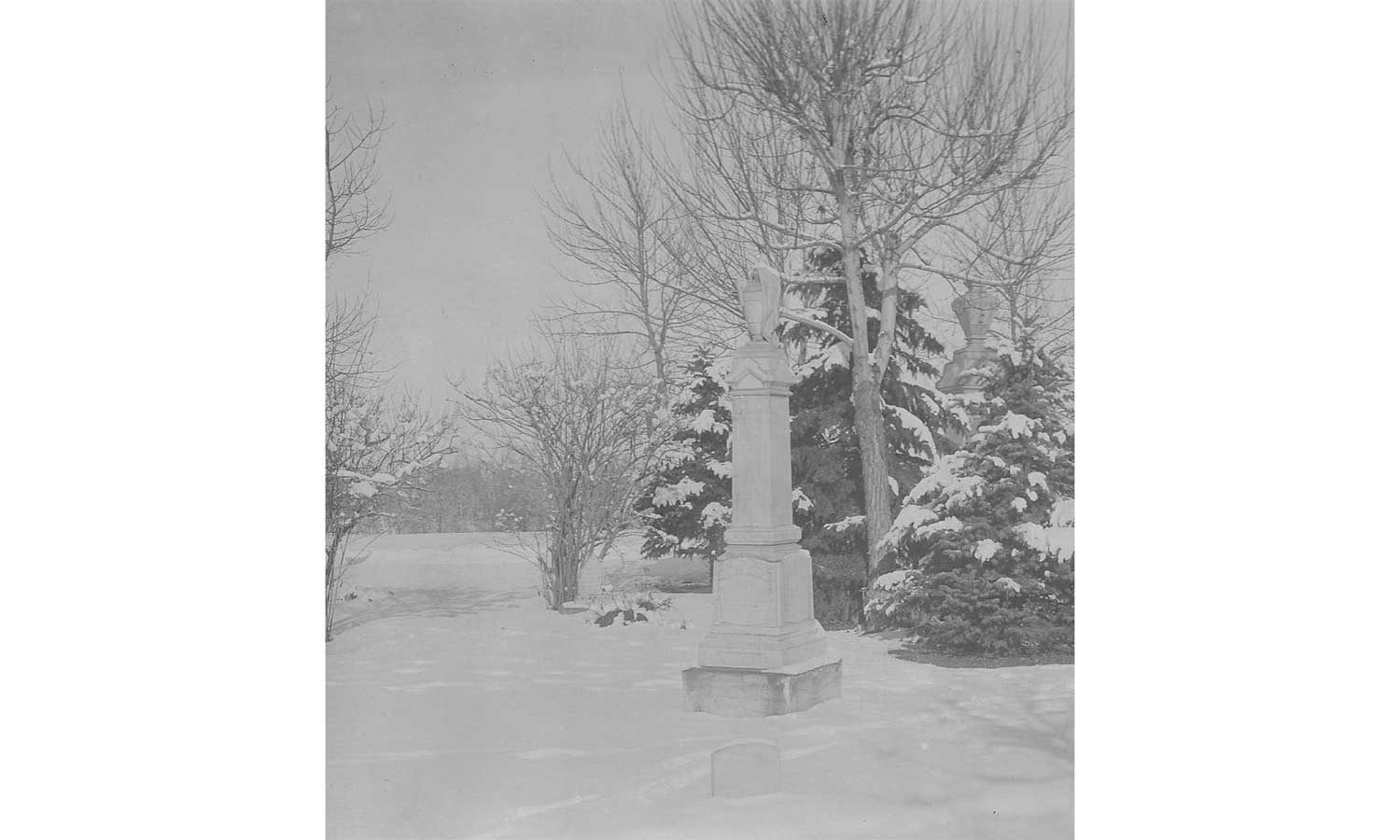
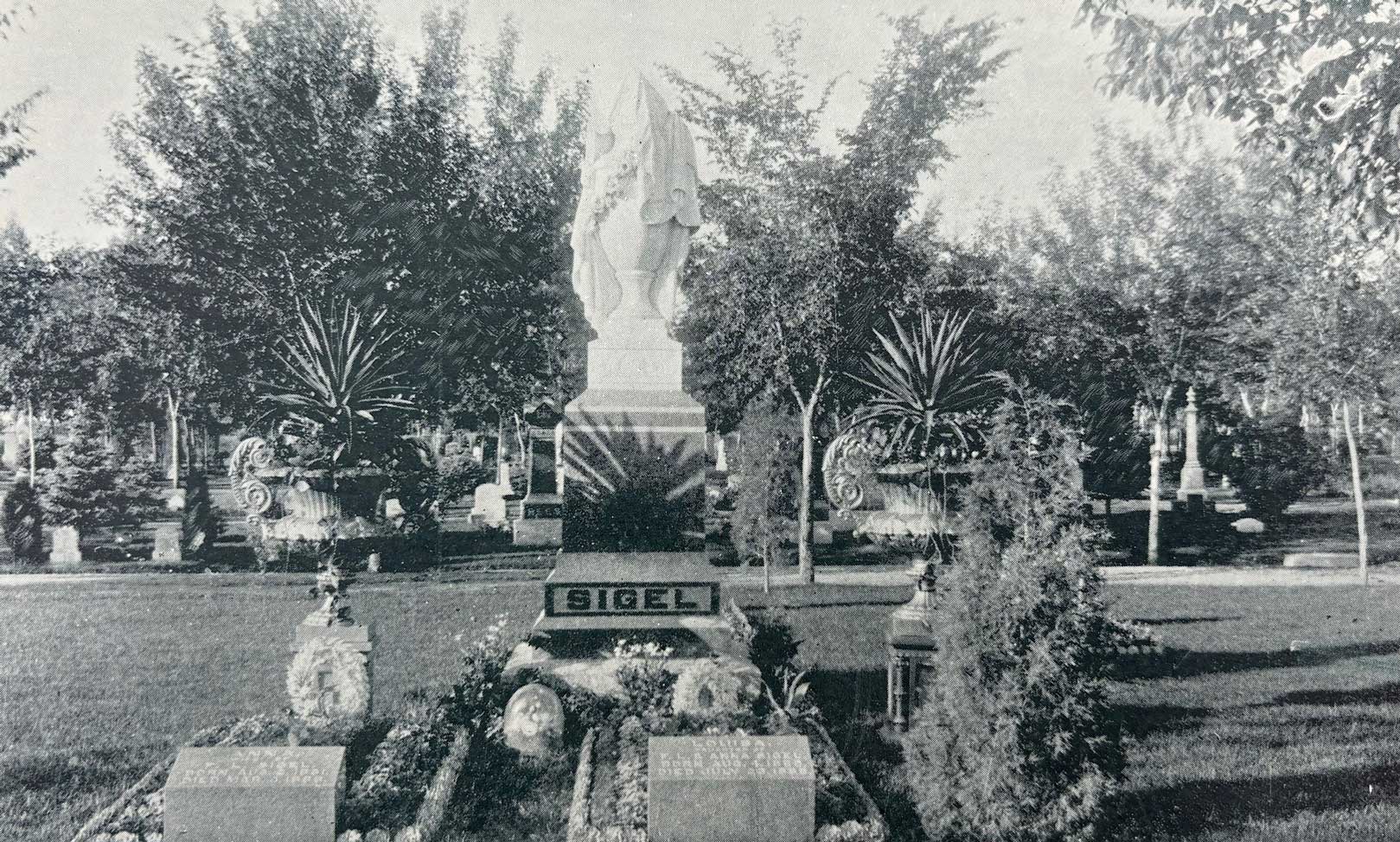
Riverside Cemetery, incorporated in 1876, is the oldest operating cemetery in Denver. Designed by landscape engineer Harvey C. Lowrie, it was originally envisioned as a park-like setting with dense trees, expansive lawns, and a central rose garden. Today, the 77-acre site, listed on the National Register of Historic Places, remains one of Denver’s most significant cultural landscapes, featuring distinctive monuments such as Lester Drake’s log cabin replica and the nation’s largest collection of zinc memorials.
Riverside Cemetery is also the final resting place for many of Colorado’s most influential early figures, including Augusta Tabor, Barney and Julia Ford, Silas Soule, and all four territorial governors, John Evans, A. Cameron Hunt, Samuel H. Elbert, and John L. Routt. At the turn of the 20th century, many pioneer graves from other Denver cemeteries were relocated to Riverside, further establishing its importance in the region’s history.
Owned and operated by the Fairmount Cemetery Company, Riverside Cemetery differs from its sister property, Fairmount Cemetery, in one key respect: it was not originally established with an endowment for perpetual care. Recognizing this need, Fairmount has since taken steps to begin building a perpetual care fund to support the cemetery’s long-term stewardship. Compounding this challenge, Riverside Cemetery lost access to its historic water source in the 1970s following a change in water rights ownership, and today, a secure, reliable source of irrigation water remains unobtainable. As a result, irrigation ceased due to the lack of water, leading to a gradual decline in the cemetery’s once-lush landscape.
The original threat when placed on Colorado’s Most Endangered Places in 2008 has been mitigated. Today, the most pressing challenge facing Riverside Cemetery is adapting to the absence of a sustainable irrigation source, while also preparing for the broader reality of increasingly limited water availability across Colorado. In response, the Fairmount Cemetery Company has shifted its approach, embracing strategies suited to the state’s high plains desert climate. Working with experts in native grasses and arid land management, the cemetery is conducting trials of various seed mixes and planting techniques. These efforts are designed to establish a more sustainable landscape while reducing long-term maintenance costs. At the same time, updated mowing and weed control practices help prepare the grounds for future seeding, with adjustments guided by the results of ongoing testing.
Tree planting continues as part of this long-term vision, with new trees carefully selected and established through hand watering. This deliberate approach supports the gradual restoration of shade and structure across the landscape despite current water limitations.
In addition to landscape improvements, important upgrades are underway to enhance the visitor experience and preserve historic structures. The office and chapel building is currently being remodeled to modernize utilities and meet ADA accessibility standards, ensuring the site is more welcoming and functional for all visitors.
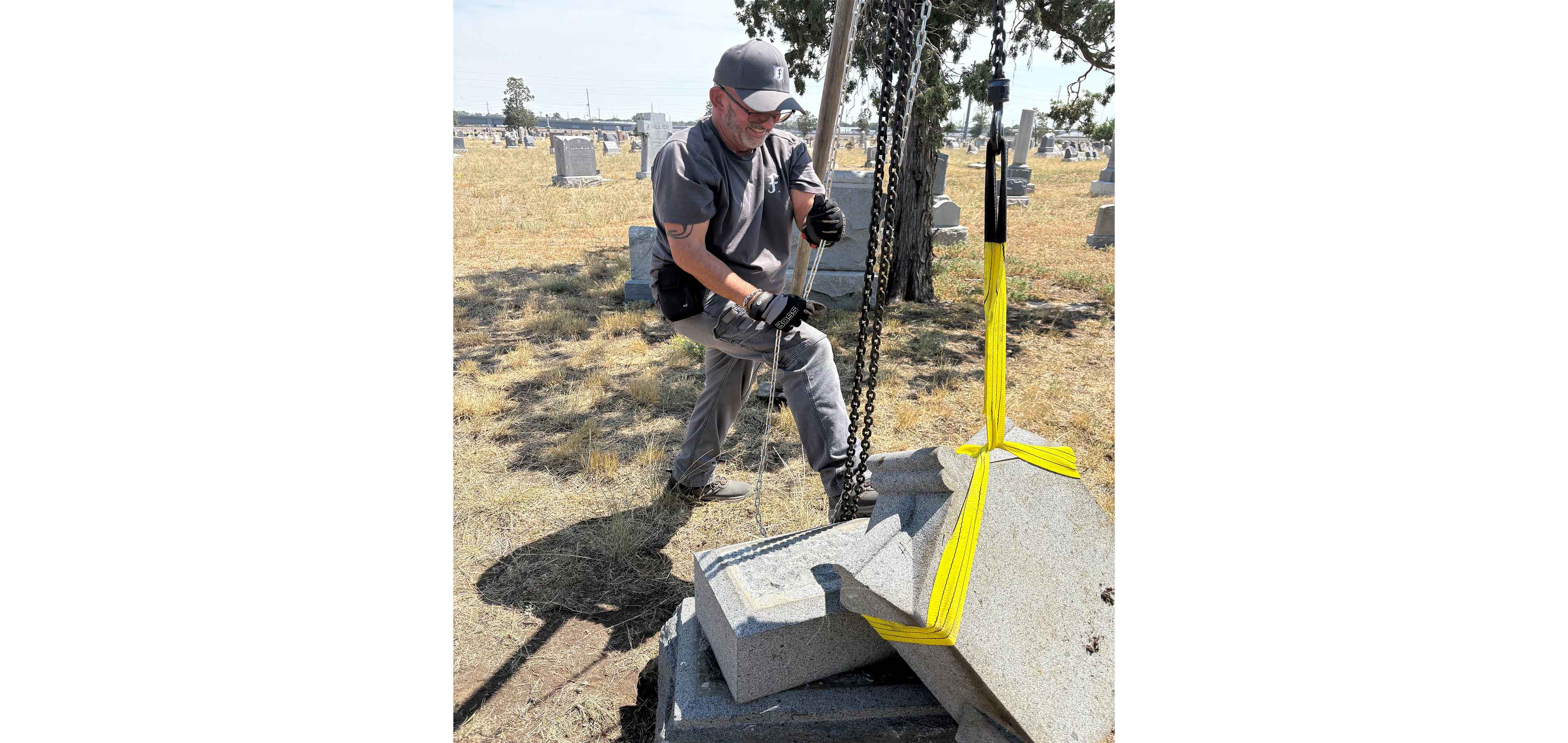
Preservation of Riverside Cemetery’s historic monuments and landmarks remains an ongoing priority. Monument upkeep is the responsibility of the families who place them; however, given the cemetery’s age, many families are no longer present or have moved on, leading to the perception that Riverside Cemetery is responsible for all memorials. Within its capabilities, the cemetery resets fallen monuments as needed. Future efforts will focus on stabilizing and restoring these important features, helping to protect the cemetery’s rich history for generations to come.
Access to the cemetery has also evolved. The former entrance on Brighton Boulevard has been permanently closed to allow for the safe installation of a light rail line. Visitors now enter the cemetery via a new entrance located off York Street.
Riverside Cemetery continues to operate as an active burial ground while undergoing a thoughtful transition toward sustainability and preservation. Through careful planning and stewardship, it remains a vital historic resource and a place of remembrance, adapting to modern challenges while honoring its past.