


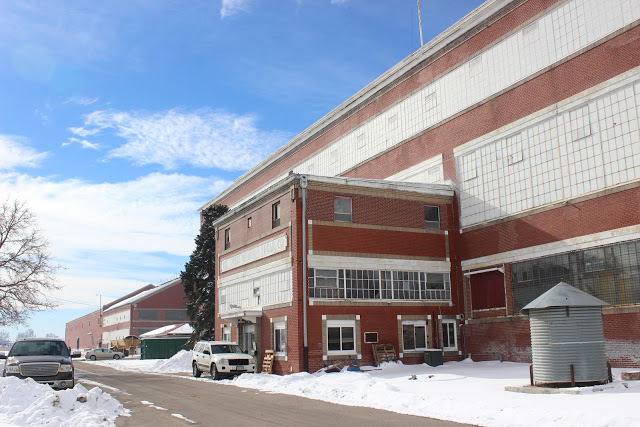
Early prospectors came to the mountains of Colorado seeking riches of gold and silver, while many early 20th-century pioneers found agricultural prosperity through “White Gold,” also known as the sugar beet.
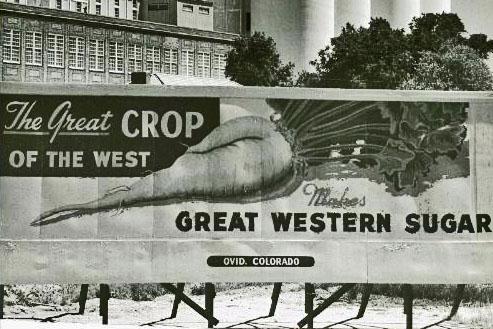
Sugar beets were cultivated in Colorado as early as 1869. Farmers quickly identified many aspects of Colorado’s plains that were conducive to growing beets, such as the high number of sunny, frost-free days that were well suited to the growing cycle of the sugar beet. Sugar beet factories (known interchangeably as beet sugar factories) were vital to Colorado’s agricultural-based economic development and provided an essential way of life to communities throughout the state. Few of these sugar beet complexes remain. Those still standing do so in a variety of capacities—some intact, some partially adapted to a new use. The Great Western Sugar Company (GWS) operated as many as 13 beet sugar processing factories in Colorado. Today, only six remain.
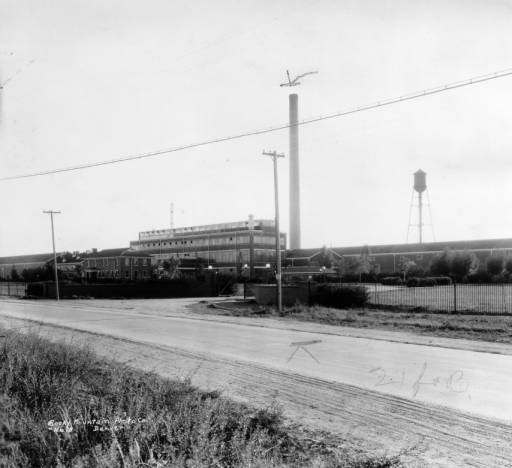
In the early 20th century, Brighton approached GWS to build a factory complex outside of town. GWS agreed that if the community would commit 5,000 acres for growing sugar beets. The community agreed, and construction of GWS’s tenth Colorado factory began in 1916. One year later, the facility opened as GWS’s showcase operation, a result of its proximity to Denver investors. The factory incorporated state-of-the-art equipment, a modern administration building, and a contextual landscape designed with visitors and dignitaries in mind. President Dwight D. Eisenhower toured the facility in September of 1954.
Amalgamated Sugar Company and its parent company, Snake River Sugar Company, retain strong ties to the Brighton community through the area’s sugar beet heritage.
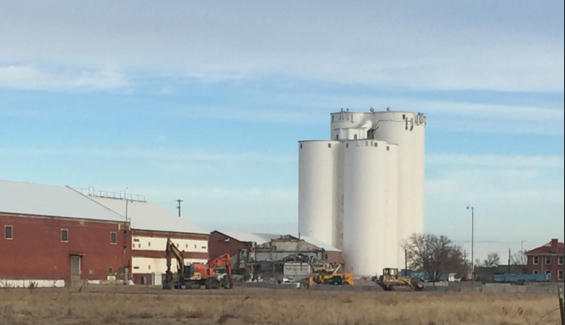
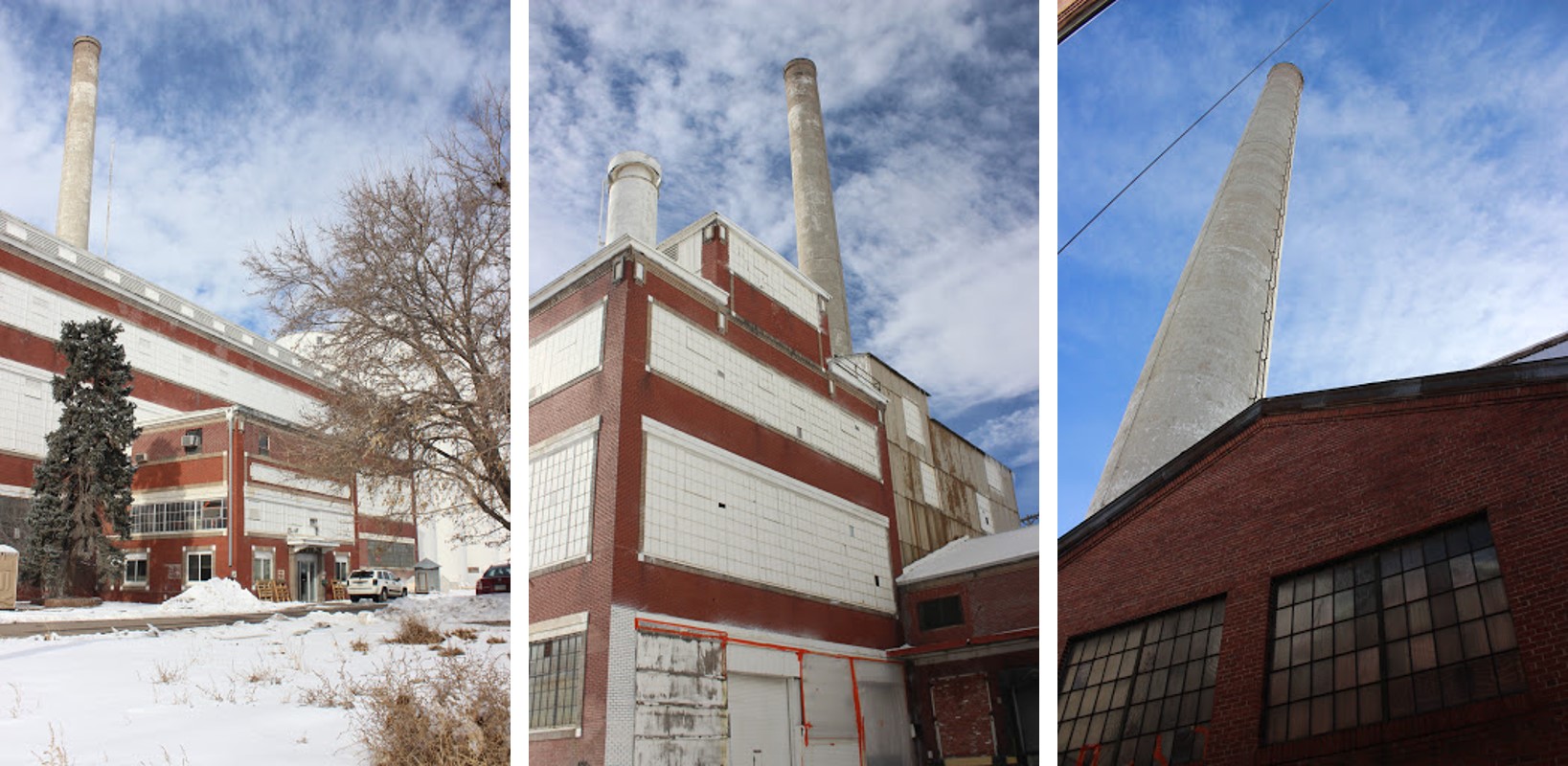
The Great Western Sugar Company closed its Brighton plant in 1977, and Amalgamated Sugar Company purchased the complex in 1985. The company uses some of the structures for storage and distribution, but many of the key industrial buildings stand vacant and unused. Despite the company’s commitment to the community, the Brighton facility shares many of the challenges facing inactive sugar factory complexes across the country. In 2017, the main factory building was demolished, and explosives brought down the smoke stack, as much of the iconic structure was lost. Through the Endangered Places listing, however, seven of the remaining ten buildings and structures remain. Finally, the opportunity to thoroughly document the site before demolition through photography, oral histories, and a comprehensive historical report, including the factory layout and refinery process, was realized.