CENTENNIAL MEMBERSHIP
 Honoring families calling Colorado home for 100+ years. Centennial Families celebrate their deep roots while supporting the future of historic preservation across the state.
As a Centennial member, share your family’s history and its connection to Colorado, including at least two historic photographs and a more current one, with optional digital archives. There's potential in the future for a Centennial Family Stories publication or online gallery as membership grows.
• You have an option to share your story publicly through CPI’s website Centennial Member page, Social media highlights, CPI Annual Report, or an option to keep your story private with family name only listed if preferred.
Centennial member benefits
- Invitation to the Centennial Member Rendezvous:
- A special gathering at a unique historic Colorado location, Opportunity to meet other Centennial Families, share stories, and celebrate Colorado (please note CPI needs at least 10 Centennial Member Families to host this gathering )
- Recognition in CPI’s Annual Report under Centennial Families
- Recognition at CPI events, including Saving Places Conference
- “Centennial Member Spotlight” feature in CPI e-newsletter or social media throughout the year (optional)
- Personalized Centennial Member Certificate for display
- Saving Places conference member registration price for two family members
- On the Road and DCA event member pricing for two family members
- Reduced ticket price for CPI programs and events
- Invitation to the Annual Member Happy Hour
- Access to annual members only EPP Project Tour and/or Preservation Services Project tour day (for two)
- All other CPI individual member benefits including the special discounted rate of up to 30% off the best available rate at participating Historic Hotels of America and Historic Hotels Worldwide hotel only when booked through www.HistoricHotels.org
Colorado Preservation, Inc.
Centennial Family Stories
Four families whose Colorado roots run more than a century deep have shared their histories, their photographs, and a piece of their heritage below. As more Centennial Members come forward, their stories will be added to this growing keepsake album.
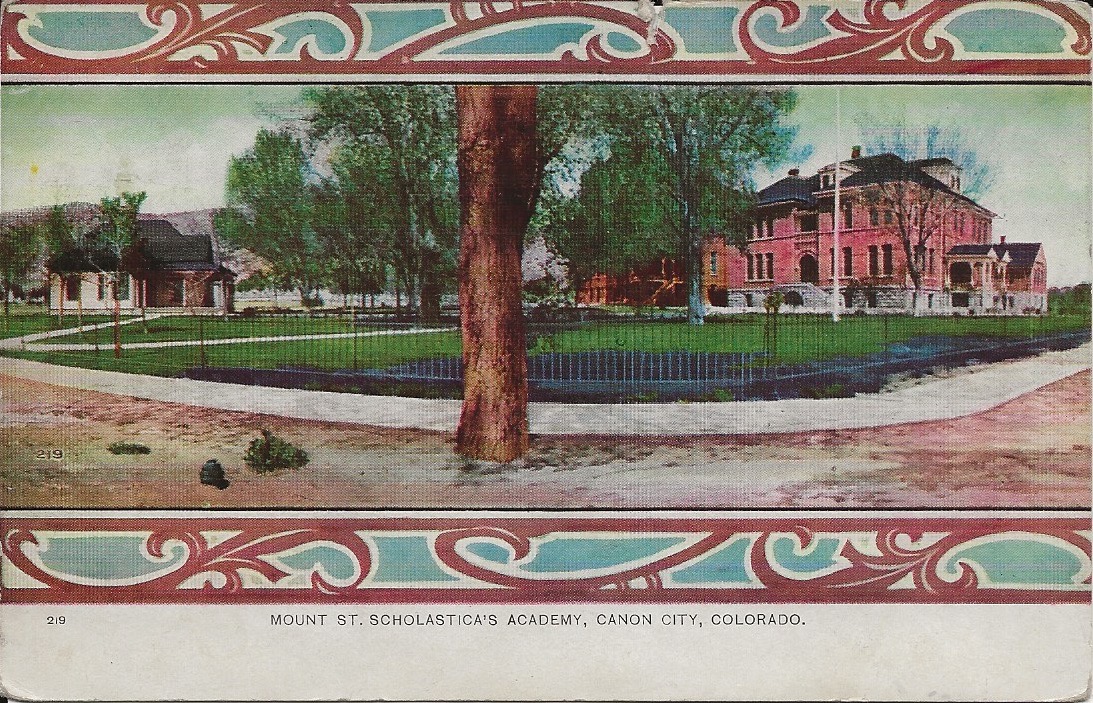
Mount Saint Scholastica Academy, Cañon City
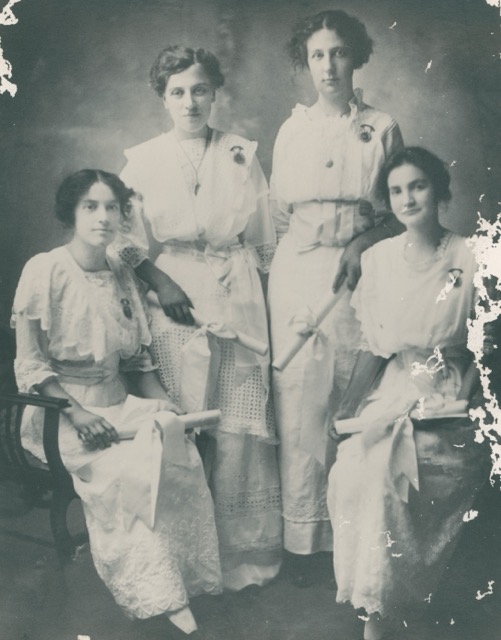
At Mount Saint Scholastica Academy
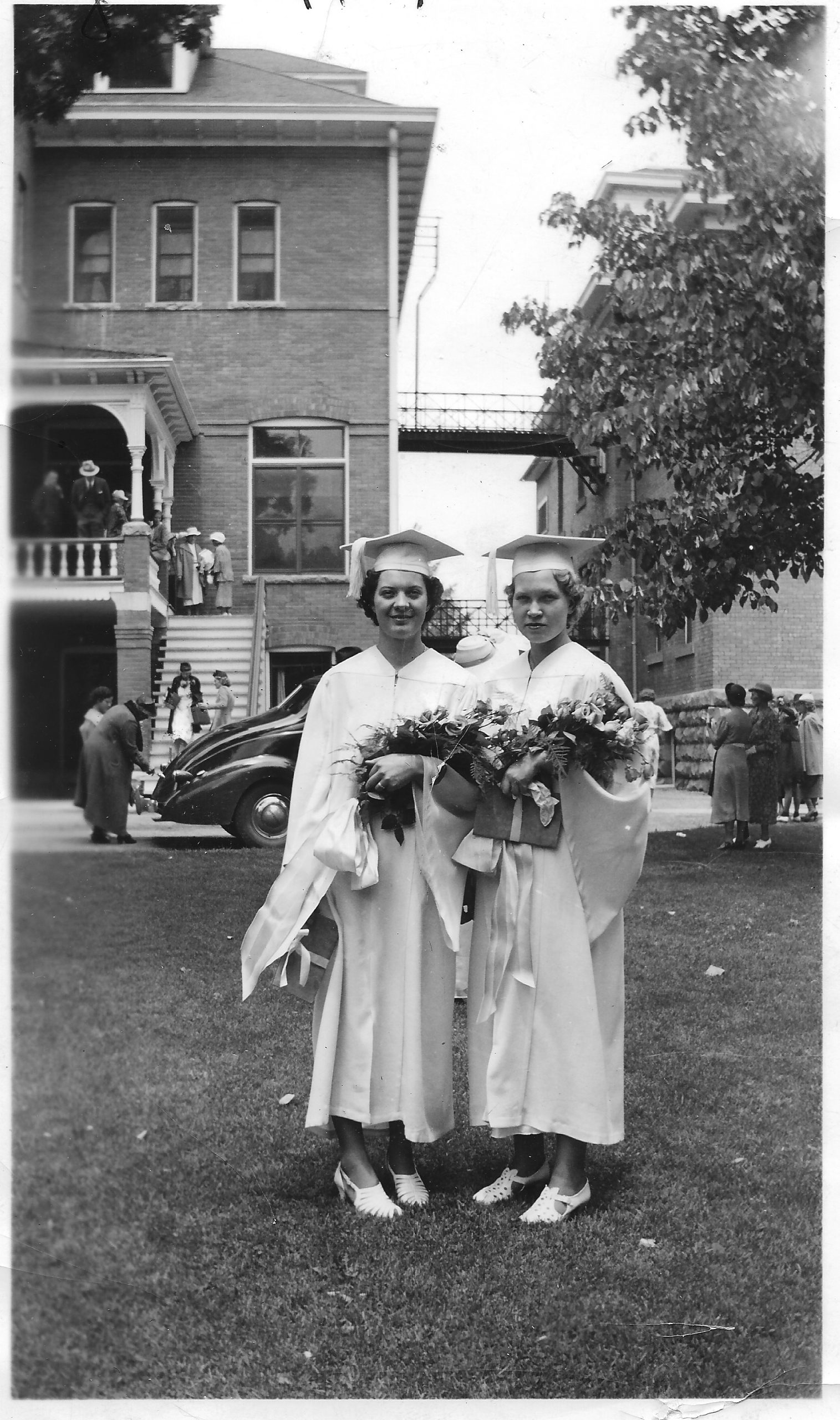
A family graduation
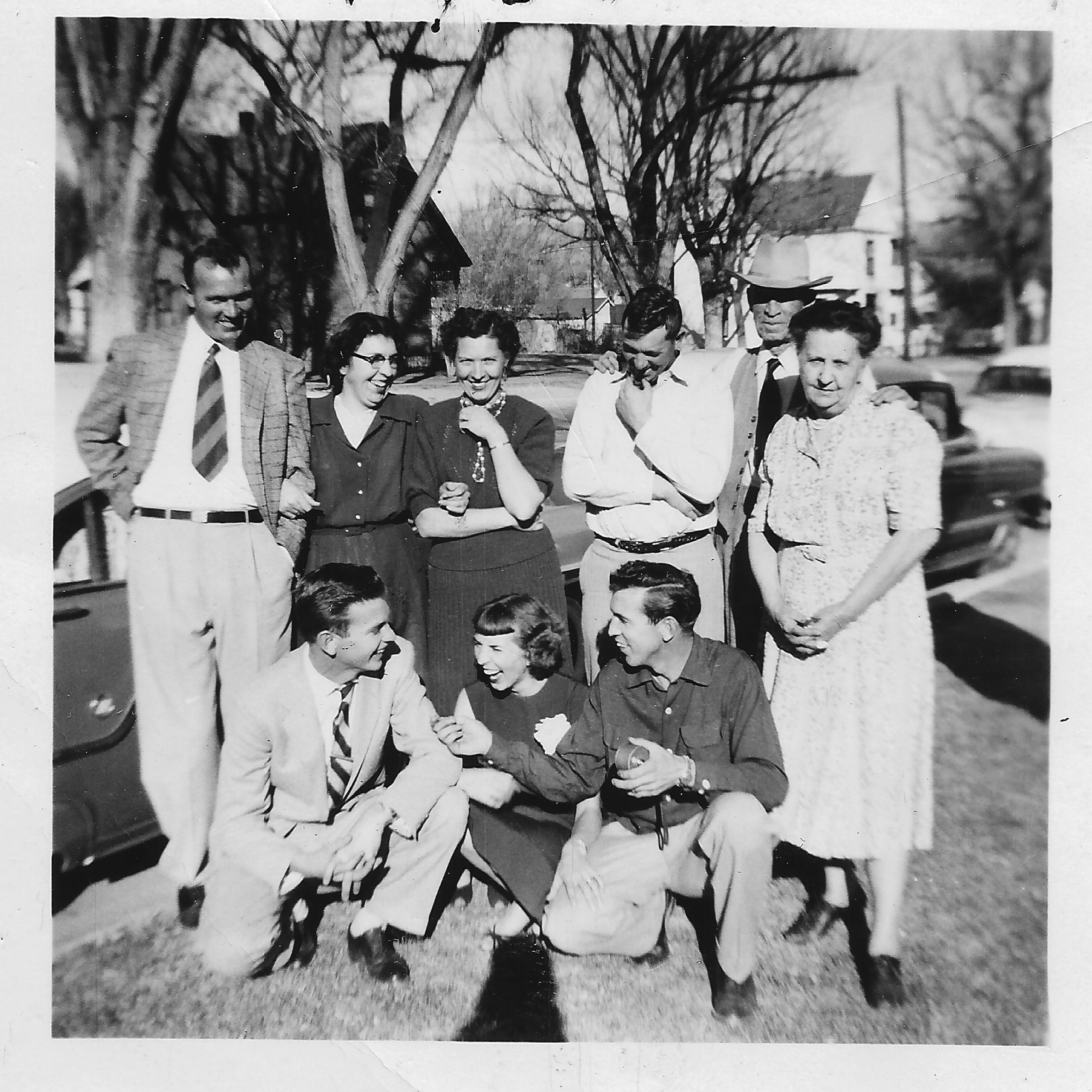
The Jenkins family
Colorado Since 1905
The Georgianna Young Jenkins Family
Their Story
My grandmother Georgianna Young Jenkins first arrived in Colorado in the fall of 1905. Her parents sent her by train from the Northern portion of the Territory of New Mexico to attend Mount Saint Scholastica Academy in Cañon City, Colorado in Fremont County. Georgianna had been raised in the rugged mountainous country of New Mexico. Her mother, Mary Margaret (Sivier) Young had wanted to give her daughter more of a formal education and get a little of the wild country out of her. Georgianna would fall in love with the small town of Canon City and would return to make it her permanent home.
A Family Legacy
Georgianna Young Jenkins’ love of Colorado would lead to a lifelong support of the state's education system. Though the family was of limited resources, Georgianna ensured most of her children were given opportunities to attend school in Denver through the Denver arch diocese and many of them attended St. Scholastica or the Holy Cross Abbey in Canon City. The children would scatter across the country, however Colorado was always the home base for the entire family.
A Living Connection to Preservation
I think my grandmother's love of Colorado and Canon City in particular played a major role in my interest in historic preservation. Her love was passed onto my father. Leo Jenkins served in the Colorado Legislature just like his grandfather had served in the legislature of the Territory of New Mexico. St. Scholastica Academy is one of the places that I hold dearly as it is currently in a state of disrepair and we are at risk of losing it to neglect. The Holy Cross Abbey is another historic structure that holds special significance as my dad and uncle graduated from there and I attended in the late 70's. I also lived and worked in Pueblo, Colorado Springs, and Denver and made a connection to many of the historic places and resources in each of these cities.
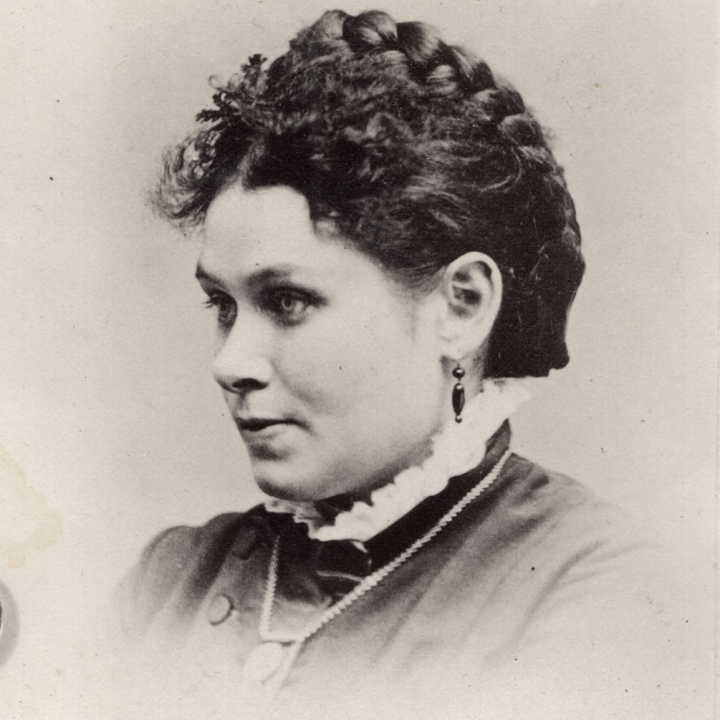
Charlotte Tomkins O'Dea Abair
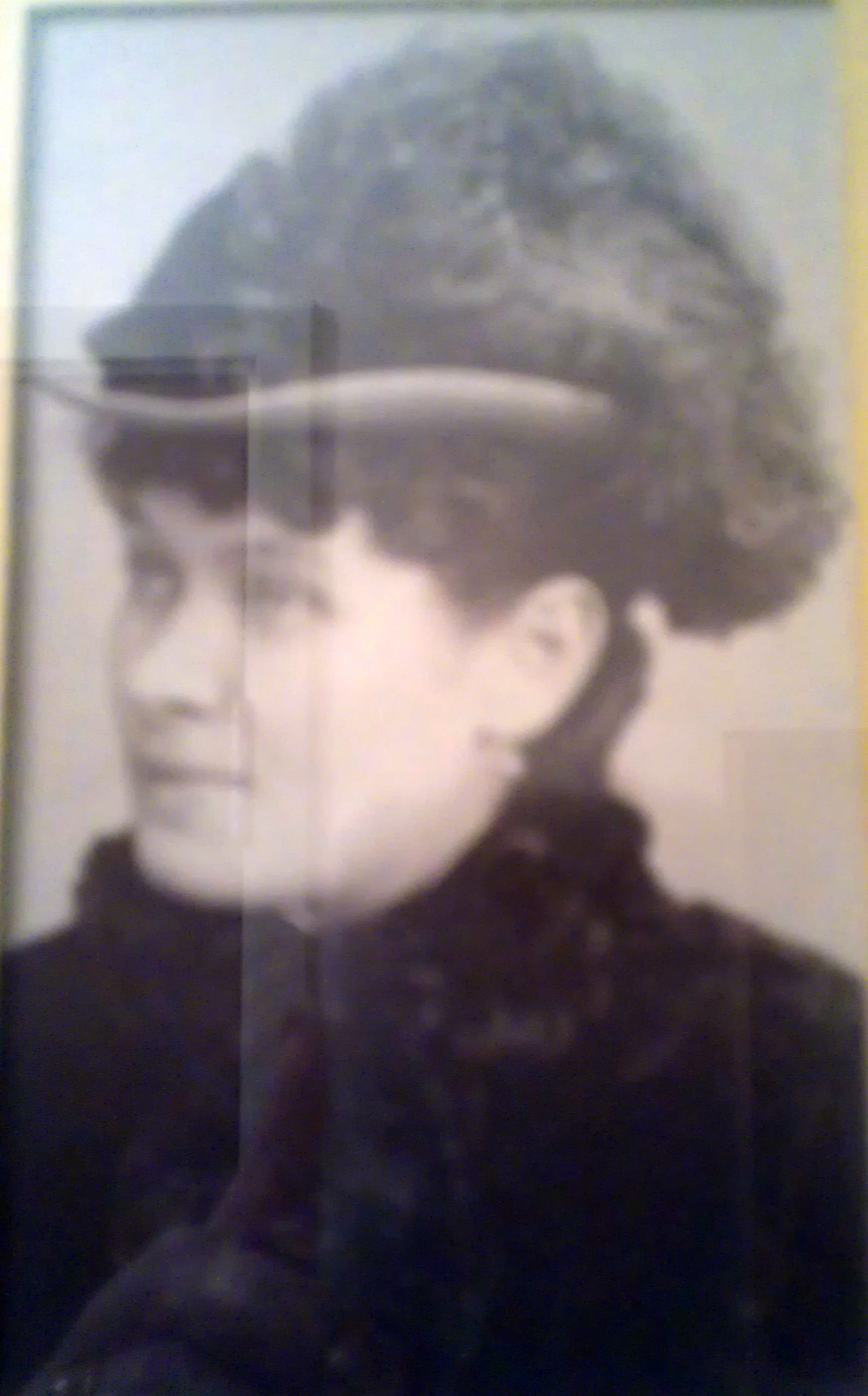
Charlotte, dressmaker of Denver
Francis Xavier Abair
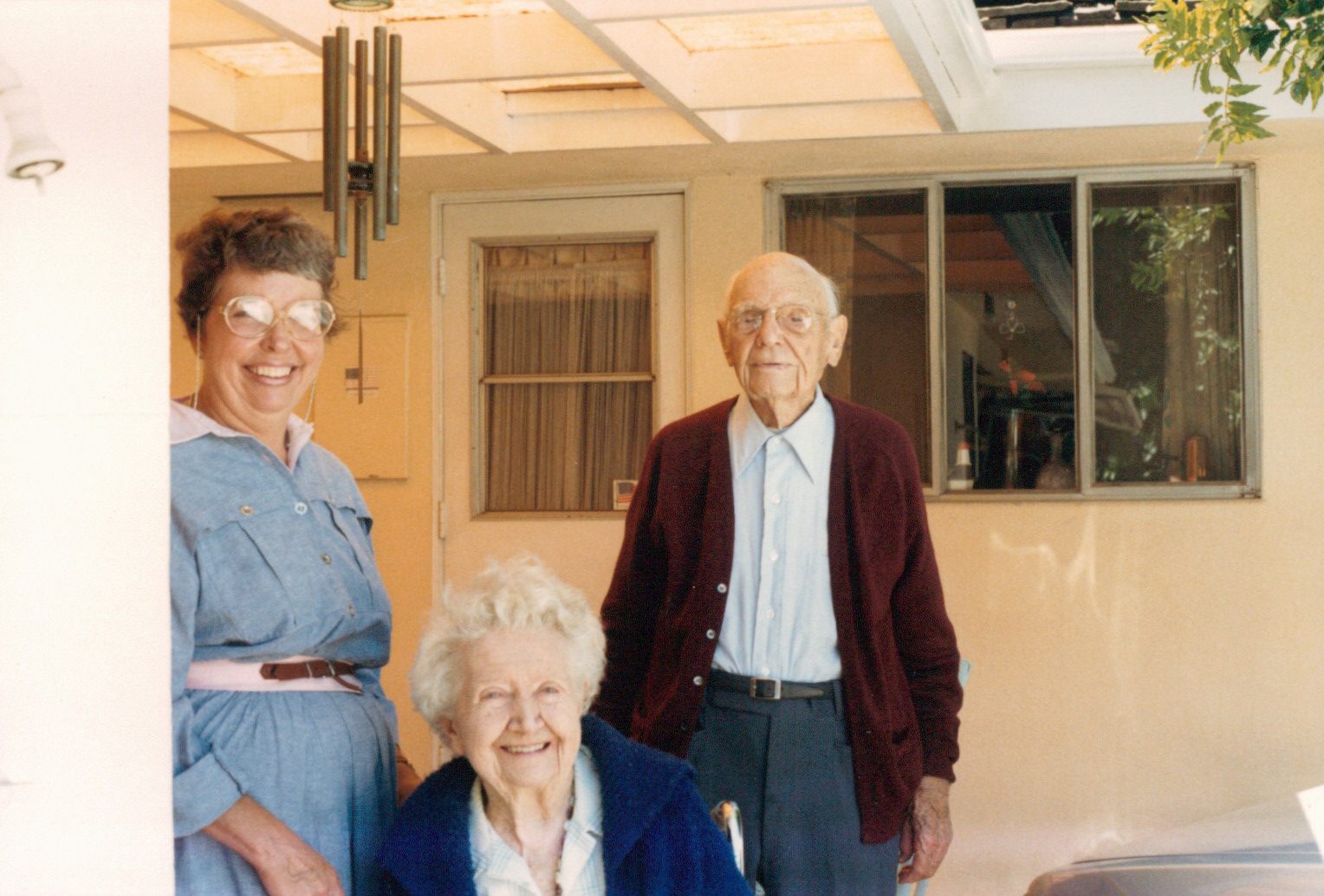
Charlotte (left) with Isabelle and Walter Baerresen
Colorado Since 1888
The O'Dea–Abair–Smith Family
Their Story
My great-grandmother, Charlotte Tomkins O'Dea, came west from Broome County, New York to Denver by 1888, and possibly as early as 1879, following her mother's death. She arrived as a single woman (although her sister may have been with her for a time) and built a career as a dressmaker, part of the wave of workers and tradespeople drawn by Denver's boom years.
On Valentine's Day 1888 she married Francis Xavier Abair, a carpenter, in Denver which was then part of Arapahoe County, before the City and County of Denver was created in 1902. They raised two daughters, Frances and Isabella, and Charlotte remained in Denver the rest of her life, with census records and city directories placing the family at addresses on 18th Avenue, Grant, Pennsylvania, and Logan Streets in the Capitol Hill neighborhood.
Charlotte's fifty years in Denver anchored what became six unbroken generations in Colorado: her daughter Frances (born Denver, 1893), my mother Charlotte (born Denver, 1933), myself, and my children, born in Larimer and Denver Counties. Other branches of the family were marrying and settling in Denver in those same years, beginning in 1887
A Family Legacy
Charlotte arrived in Denver as a single woman, and by August 1887 she had invented and filed for a United States patent on an improved bustle, which I think was a remarkable achievement for a working dressmaker at a time when few patents were issued to women. The patent was granted on May 8, 1888, three months after her marriage, and the document itself records her new life, issued to "Charlotte O'Day... assignor to Charlotte Abair, of same place." She worked for the Denver dressmaking firm of Moffat and Kassler, and her patent is a small artifact of the garment trade that clothed boom-era Denver.
Her story connects to an often-overlooked thread of Colorado history: the working women who came west independently and built livelihoods with skill and ingenuity rather than land or mining claims. Charlotte supported herself as a dressmaker into her later years, appearing in Denver directories for decades.
Her legacy is still active. In 2022, after years of researching her life, I legally changed my surname to O'Dea, 134 years after she arrived, so her name would continue in Colorado.
A Living Connection to Preservation
Researching six generations in Colorado has made preservation personal. Nearly every source we rely on (census pages, city directories, patent records, a great-grandmother's diary) survives only because someone chose to keep it. Buildings are the same kind of record, and our family's story is written into Denver's in two ways.
My great-grandfather Francis Xavier Abair was a Denver carpenter who spent his last years at the Little Sisters of the Poor Mullen Home on Tennyson Street, where he built the chapel altar in the 1920s. His daughter, my great-aunt Isabella Abair, married Albert W. Baerresen, son of Albert T. Baerresen of the Baerresen Brothers, the Danish immigrant firm whose architecture and construction gave Denver the El Jebel Shrine Temple, the Romeo Block, and homes in the Humboldt Street and Swallow Hill historic districts.
Knowing our ancestors' hands shaped places Denver still protects is what turned "old buildings" into heritage for me, and it is why I now serve as a commissioner on the Longmont Historic Preservation Commission: doing for my own community what generations of record-keepers, craftsmen, and builders did for ours.
A Family Recipe
This fruitcake recipe came to my grandmother, Frances Abair Smith, as a wedding gift in 1915, family lore says from Mrs. John F. Campion, wife of the Leadville mining magnate behind the Little Jonny Mine, given the year before Mr. Campion's death. It has been handed down in handwritten copies through three generations and, until now, never shared outside the immediate family. Grandma had one quiet disclosure she always made when giving the cakes to friends: that it "had a little bit of pork in it." As you'll see, that was an understatement. We still make it (well, my brother does, I think it's disgusting).
Fruit Cake — Mrs. Campion (as written in Frances Abair Smith's hand)
4 lbs fresh pork, ground twice · 10 cups brown sugar · 6 lbs raisins · 6 cups nut meats · 5 cups or more strong boiling coffee (grounds included, in our family's practice) · 4 good teaspoons baking soda, dissolved in a little hot water · 8 tsp nutmeg · 8 tsp cinnamon · 12 tsp ground cloves · 4 lbs fruit mix · About 14 cups flour — add flour last
Bake slowly at 325° for about 1½ to 2 hours. Makes 25 lbs — 6 cakes.
Sauce: Cream together ¼ lb butter (½ cup); stir in 1 wineglass of brandy or whiskey and a pinch of salt. Add 1 large cup hot cream and beat well. Place in a double boiler and watch closely until it thickens like cream. Do not boil.
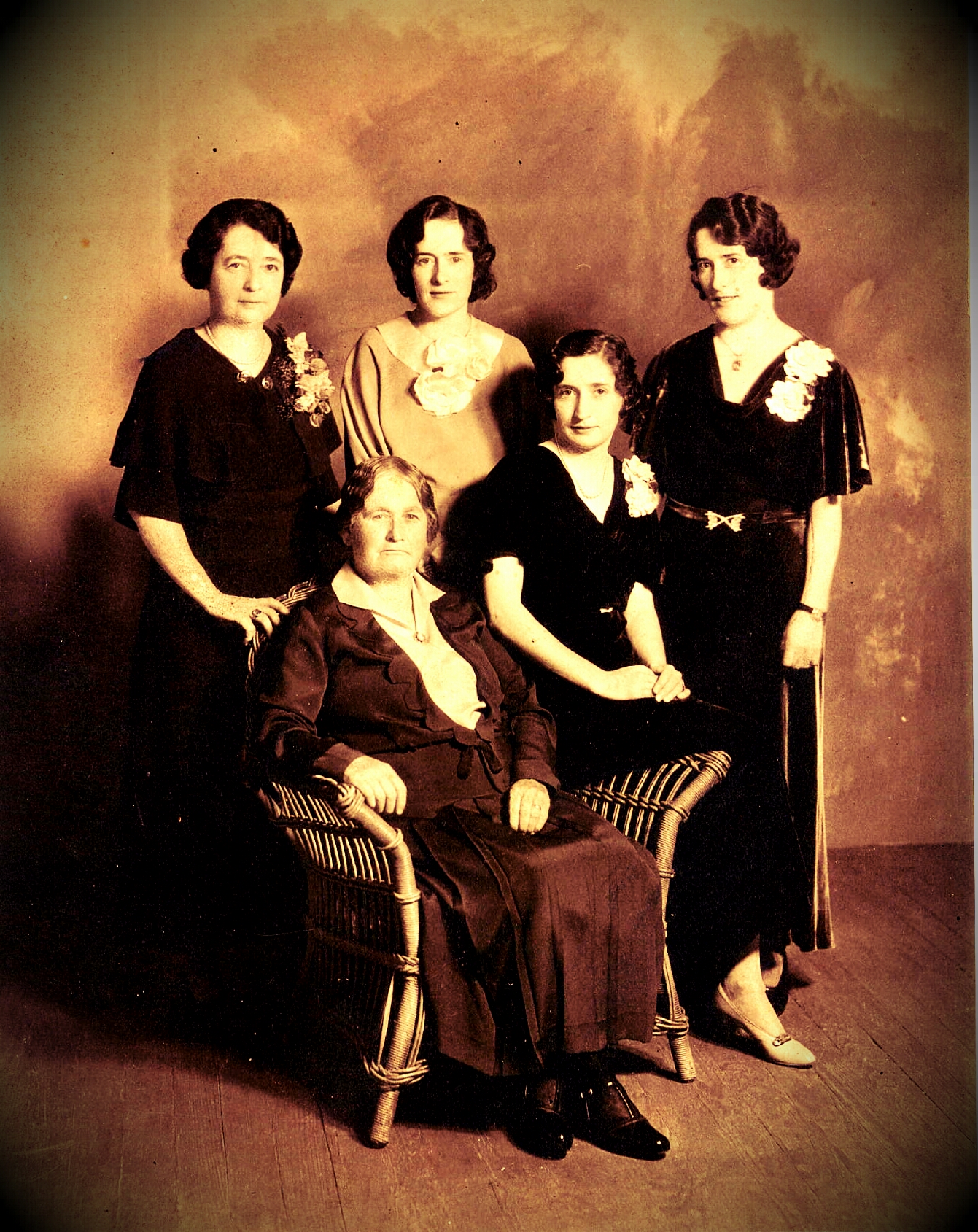
Alice Griffin Buckley and family
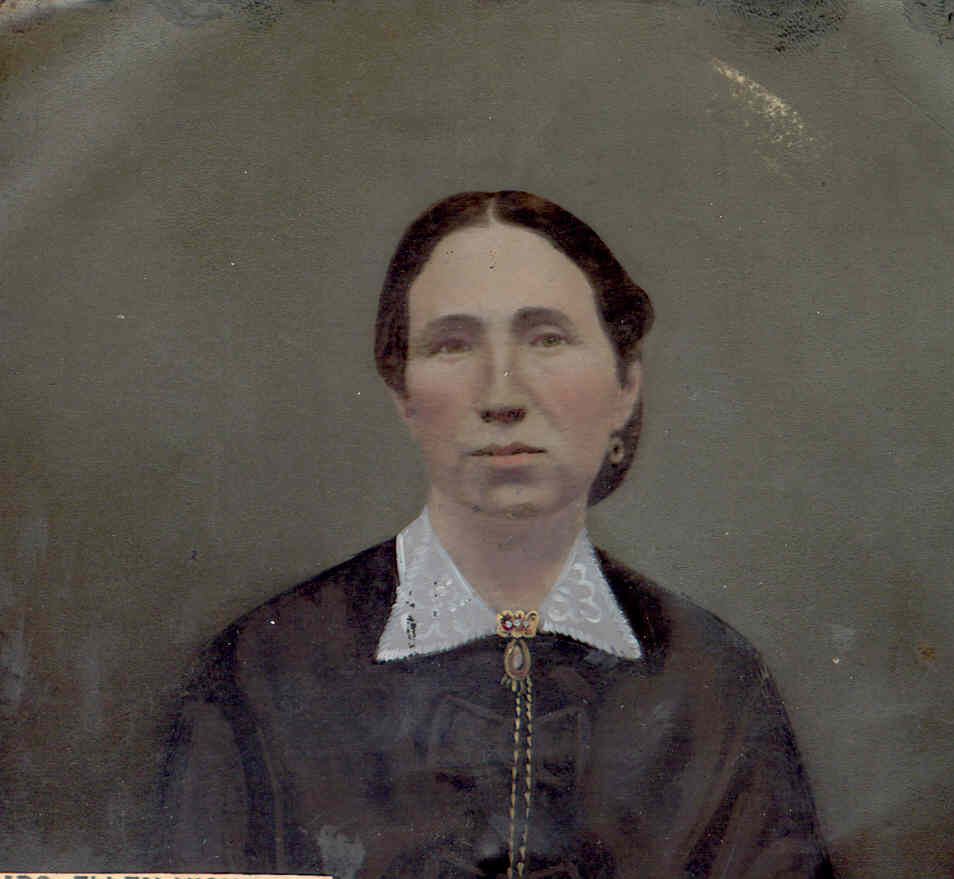
Ellen Short Griffin
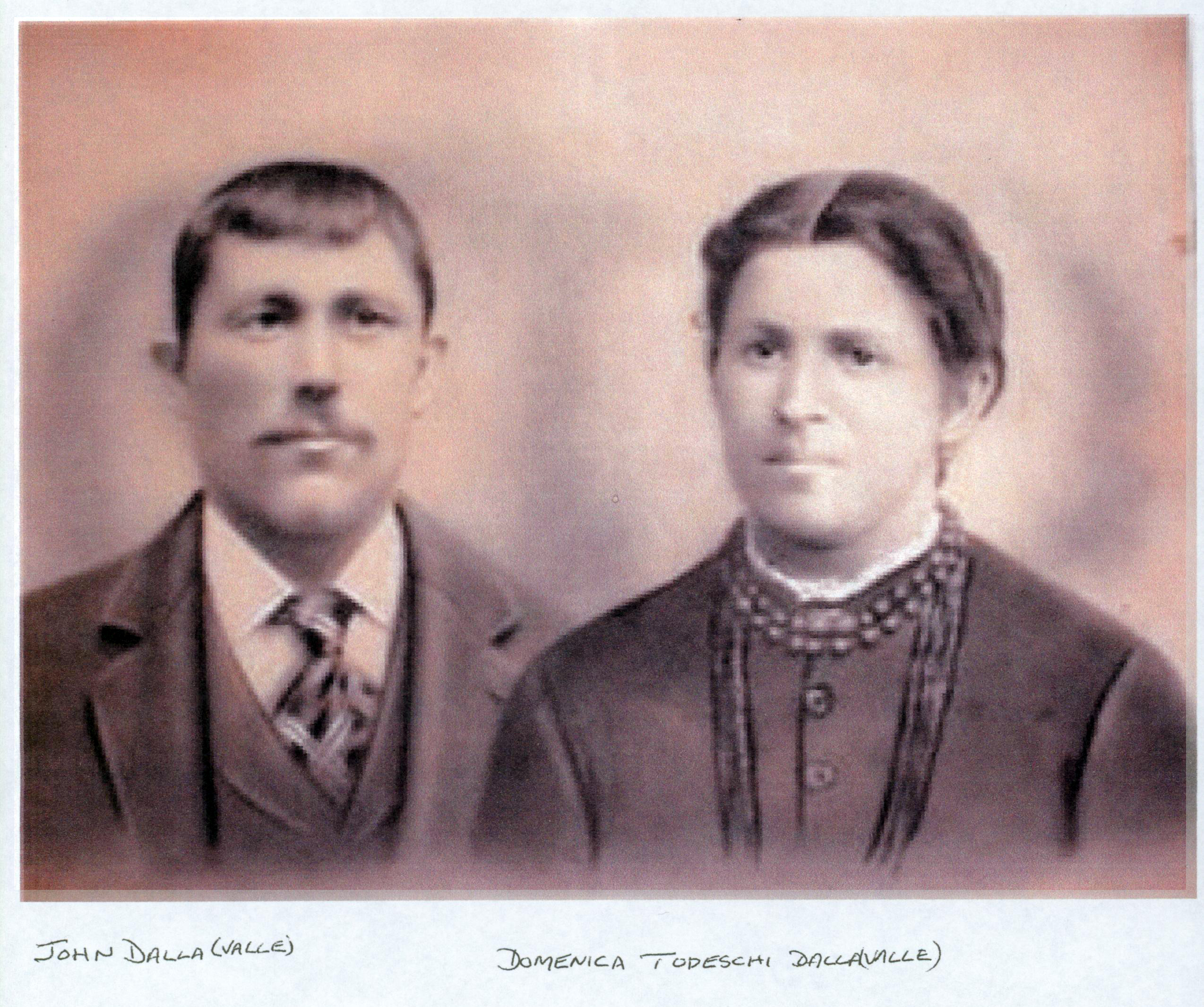
Giovanni (John) and Domenica Dallavalle
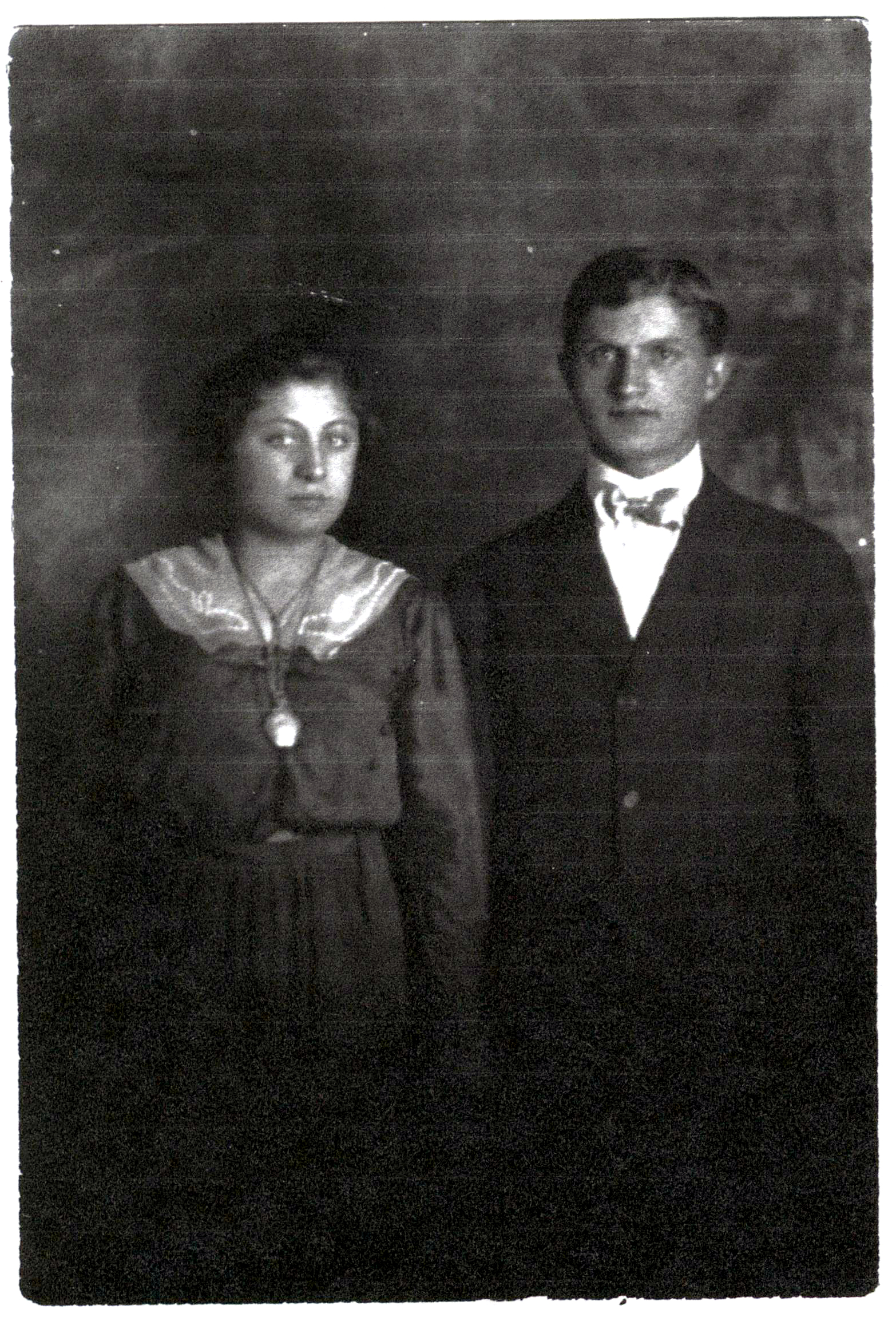
Rena and Fidenzio (Phil) Antonelli
Colorado Since 1861
The Antonelli Family
Their Story
My mom's side of the family, represented by Ellen Short Griffin (later known as Ma Hickey), arrived in Denver in spring of 1861. Family lore has it that she got hitched to Daniel Griffin in St Joe MO., on a Saturday and as their wagon train left the following day, bells tolled the beginning of the Civil War placing their date of departure as April 14th. A year later they were living in Clear Creek County where my great grandmother, Alice Griffin was born in Nevadaville on November 6, 1862. Her birth is claimed to be the second recorded in Colorado Territory. Her father, Daniel Griffin was shot and killed by a US Marshal enforcing the Enrollment Act of 1863 by conscripting miners to fight in the Civil War. Ellen then married Owen Feenan, claimed to be the true locator of the Pelican Mine and later a man named Hickey. To get her out of the rough camp, Alice was sent to Denver to attend St. Mary’s Academy much of the year, but worked at the Pelican House between terms. On July 1, 1880, Alice married Jeremiah Buckley and was the matriarch of family of 11 children (8 boys and five girls); the well-known Buckley clan of Silver Plume and Georgetown. A devout Catholic, Alice is remembered for praying on the steps of St Patrick’s during the “Big Fire” of November 4-5, 1884. Most of the business district was destroyed, but the church was spared.
My dad's side of the family, represented by Giovanni (John) and Domenica (Dina) Dallavalle (shortened to Dalla) arrived in Silverton in San Juan County sometime around 1895. They were immigrants from the Sud-Tyrol in Austria, now the Trentino Alto Adige region in northern Italy. John and Dina operated a number of successful businesses in Silverton including boarding houses and saloons. They too had a large family with eleven children, but their life was marred by immense tragedy. John died in 1911 from sepsis caused by frostbite suffered while attempting to rescue two teenaged cowboys leading a cattle herd over Molas Pass in a severe blizzard. Other losses included Charles who died of pneumonia in 1907, and in 1914 a second Charles, died after falling into a mop bucket full of scalding water at age three. The Spanish Flu epidemic in 1918 took a huge toll on Silverton and my family. On October 24, 1918, Silverton was swept up in the “false armistice” and my uncle Albino climbed the clock tower of the town hall and banged on the bell with a single jack in celebration. The following day he was dead. Dina passed on Oct. 26, and John Jr. followed within days. All told 1200 people, about 10% of the population, died within two weeks and may have suffered the highest mortality rate in the nation.
A Family Legacy
With family ties spanning both sides of the divide and a host of legendary ancestors it's impossible to capture all the stories in the space permitted. So, I'll focus on a few of the surviving Dalla children, my grandmother Rena among them. As orphan children responsible for raising their younger siblings with diminished resources they had to make some hard choices.
Rena escaped into marriage and married my Nonno, Fidenzio (Phil), at age 14 and gave birth to my uncle Silvio at 15. Their wedding picture is on an historic marker outside the San Juan County Courthouse and is a part of History Colorado's collection. Her sister Mary Swanson focused on the younger children’s care and ran a successful grocery store in Silverton for decades. Louis was a catskinner and road builder and ran the Colorado Dept. of Highway's maintenance crew in Silverton from the enabling legislation in 1935 to retirement in the early 1970's. As a San Juan County Commissioner, he was instrumental in improving the mining roads that now form the Alpine Loop. He is also remembered for boxing Jack Dempsey in an exhibition to help raise money for the 1929 fire truck that the Silverton Fire Dept. still uses to lead the annual 4th of July Parade.
Angelo was an entrepreneur who engaged in a variety of activities both legal (autos: car sales, repair, taxis, photo studio, tavern owner) and illegal (bootlegging and high-grading) was a true character. Given their European heritage and saloon businesses, the Dalla’s took a dim view of prohibition. Dina had been cited for having whiskey before she died and Angelo kept up the supply. He and my uncle Herman had a still in the basement that they used to create whiskey and though Angelo was once severely burned when it blew up, they were never arrested. It helped that the revenue agents lived in Durango and had to take the train to get to Silverton. Whenever they boarded, Angelo got a call and by the time of their arrival 3 hours later, he and Herman were busy making Luganega sausage. High-grading gold ore from mines was considered an unacknowledged right in Colorado—the work was dangerous and the pay was pathetic. Angelo wasn’t a miner, but as a photographer he knew chemistry which helped to process the “pocket rock” his friends and neighbors brought him. It’s little known now but in 1933 it became illegal to own gold in the United States and Angelo did go to “college” a couple of times. To elude the law, he would rely on my dad’s brother Silvio who following WW II was a naval investigator with the freedom to travel anywhere in the U.S. at will. Silvio would take Angelo’s gold buttons to a dentist he knew in Minnesota who enjoyed loading his own shotgun shells for the frequent trips he took to Canada to hunt geese. It all ended well as during his second term in college Angelo was taught jewelry making – bolo ties and cuff links made from stolen gold did not seem to be a problem.
A Living Connection to Preservation
I love my windshield time as a I traverse the state as the entire landscape is filled with memories. My Buckley uncles had the mail route over Loveland Pass and did special deliveries to Baby Doe at her cabin at the Matchless Mine each week until she died. My Uncle Ron Buckley was a Clear Creek County Commissioner who lobbied for what was referred to as the Straight Creek Tunnel project which I consider every time I am stuck in ski traffic on either side of the Eisenhower Tunnel. When I go to the Valley I think of my uncle Joe Dalla, who was engineer on the D&RG RR on the Alamosa to Chama route. Adding my own experiences hiking, skiing and rafting and I feel a special connection with all of Colorado.
All that said, I feel as special connection to Silverton and San Juan County. I spend half my time in the house my Nonna bought in 1965. It is across the street from the San Juan County Courthouse -- one of the most beautiful government buildings in Colorado and where I took my turn as County Commissioner in the 1980’s. I’ve been a long-time member of the San Juan County Historical Society, and I am currently on the board of the non-profit Silverton Powerhouse Collective which is in a named building in the Silverton Historic District.
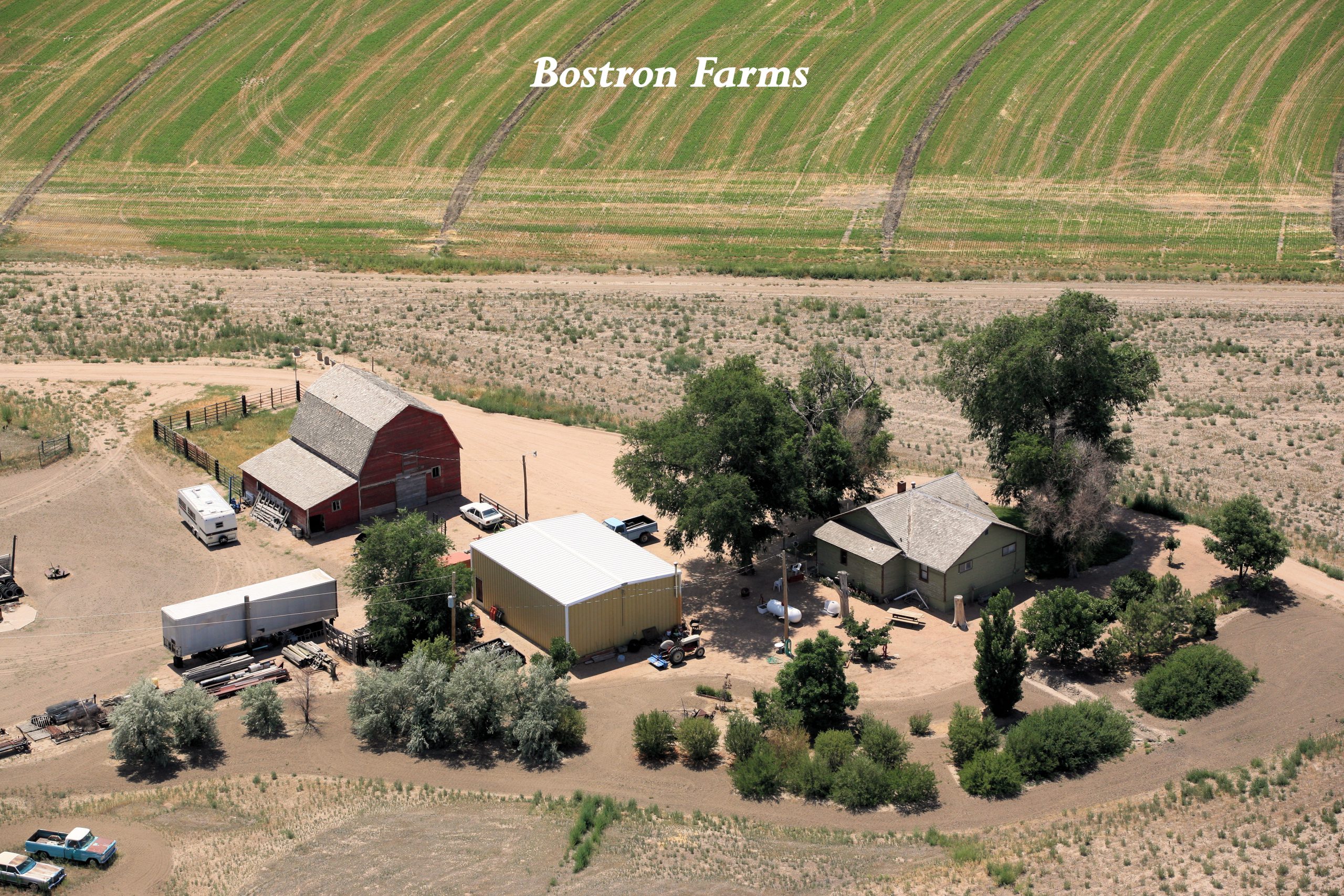
Bostron Farms, Logan County
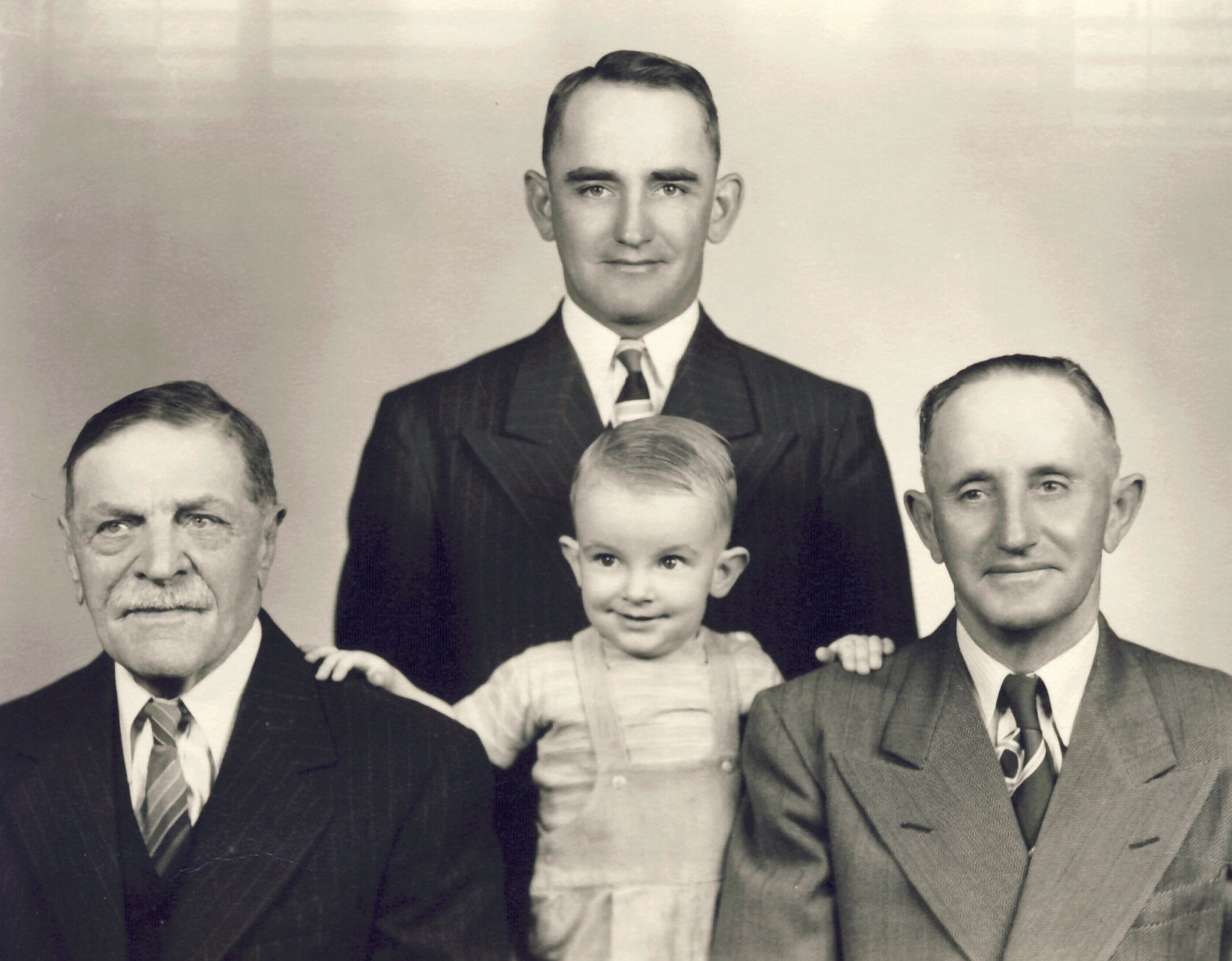
Three generations: Con, John, Don and Phil
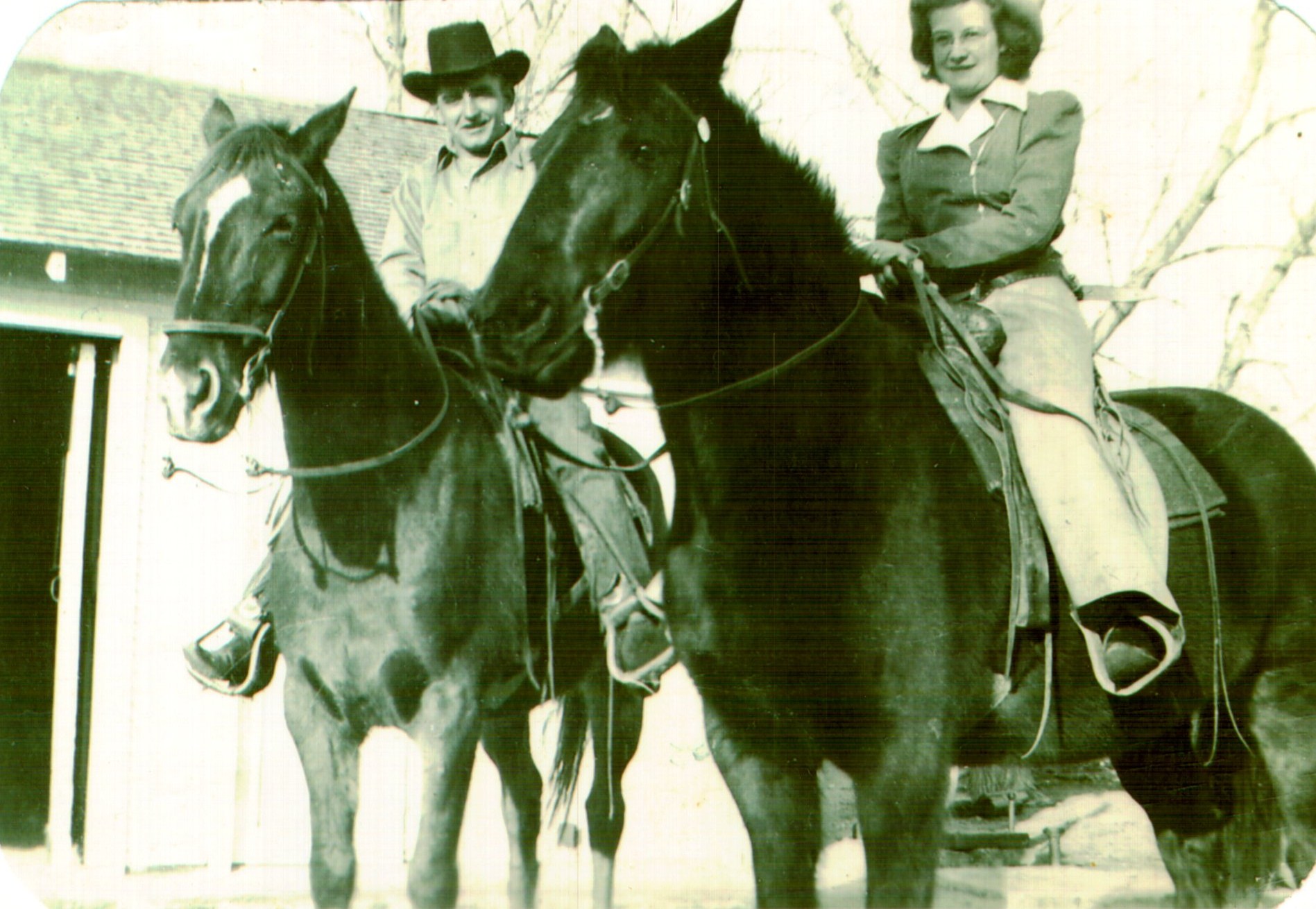
Don and Leah
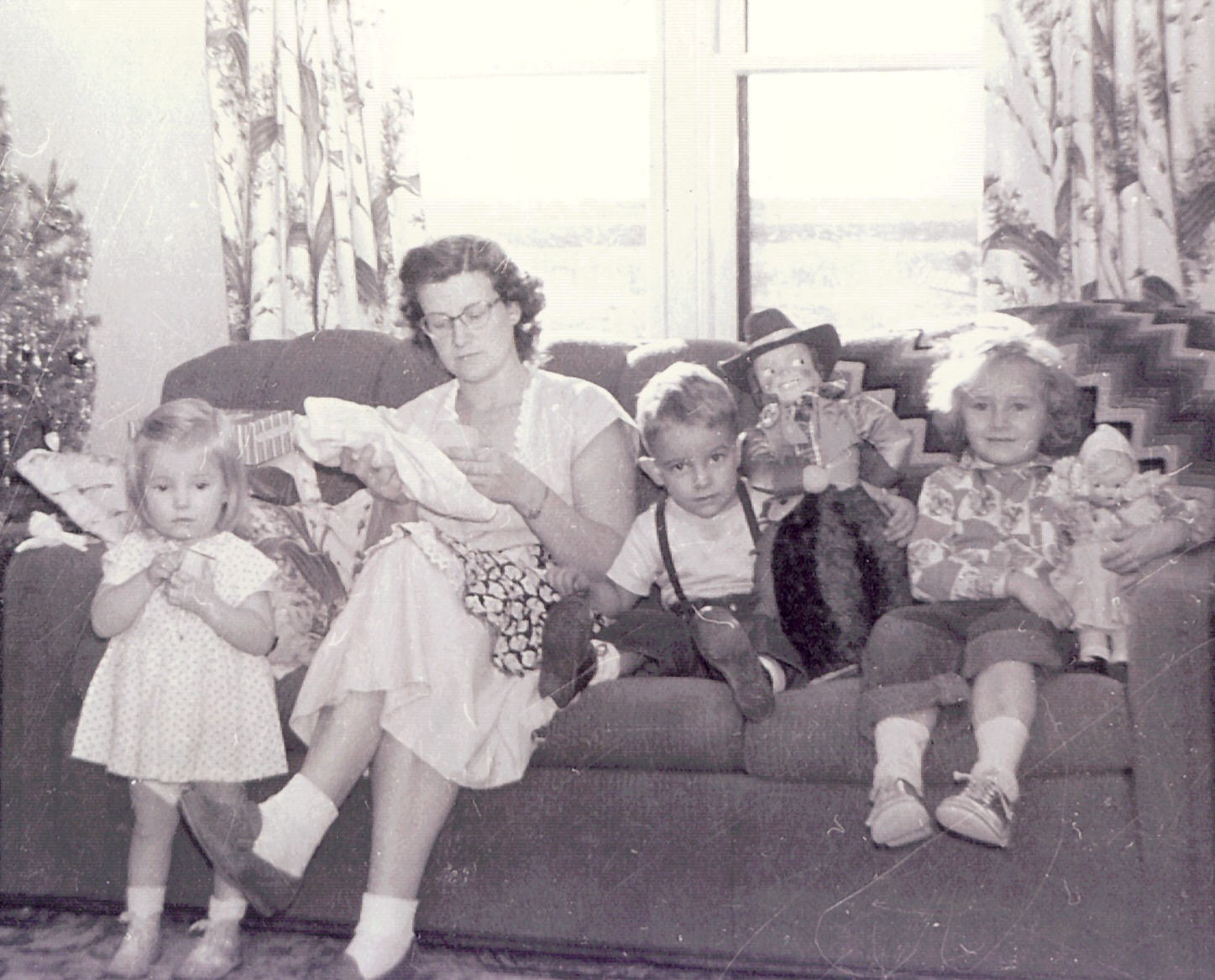
Leah, Donna, Phil and Kathy
Colorado Since 1906
The Bostron Family
Their Story
My great-great-grandfather, Conrad Bostron, immigrated to the US with his wife and 3 children in 1902 from the Volga River region of Frank (Prussia). They settled in Logan County Colorado in 1906 and bought a farm and some land on Hatfield Island in 1910 that sits between Sterling and Atwood. It has been in the family ever since.
He settled here in order to escape war, poverty, and persecution of the Russian regime against Germans like themselves. They would raise potatoes (which is what they farmed in Prussia) and sugar beets, which thrive in similar soil. They also raised cattle, sheep, and trained horses. Generations since have expanded into other crops. Mainly corn, wheat, and alfalfa.
A Family Legacy
Just hearing stories of how my family, and countless others, struggled to make a life here will make one sit back with awe. Being immigrants who don't speak the language, but had to learn quickly. The harshness of the west was something they did not expect.
Stories of surviving the Great Depression because they could feed and clothe themselves. Building the original sod & stucco farm house that was then replaced with the traditional house that still stands today.
The brutal reality of the Dust Bowl. The horrible, deadly, blizzards of the 20s & 30s. Hazards of farm & ranch life.
Even my father talking about remembering the farm house finally getting electricity and indoor plumbing in the early 50s.
We are incredibly lucky in today's world because those who came before us were tougher in so many ways that we will never understand.
A Living Connection to Preservation
My family is one of the very few remaining early pioneers of the area. They were part of creating and organizing the sugar beet plant, and founding members of the Colorado Cattle Grazers Association.